How Abuse Affects Children

Even when children don’t witness abuse directly, they often feel its impact—in their bodies, emotions, and behavior. Every child responds differently to stress and trauma. These examples are not meant to diagnose, but to provide an understanding of a child’s signs.
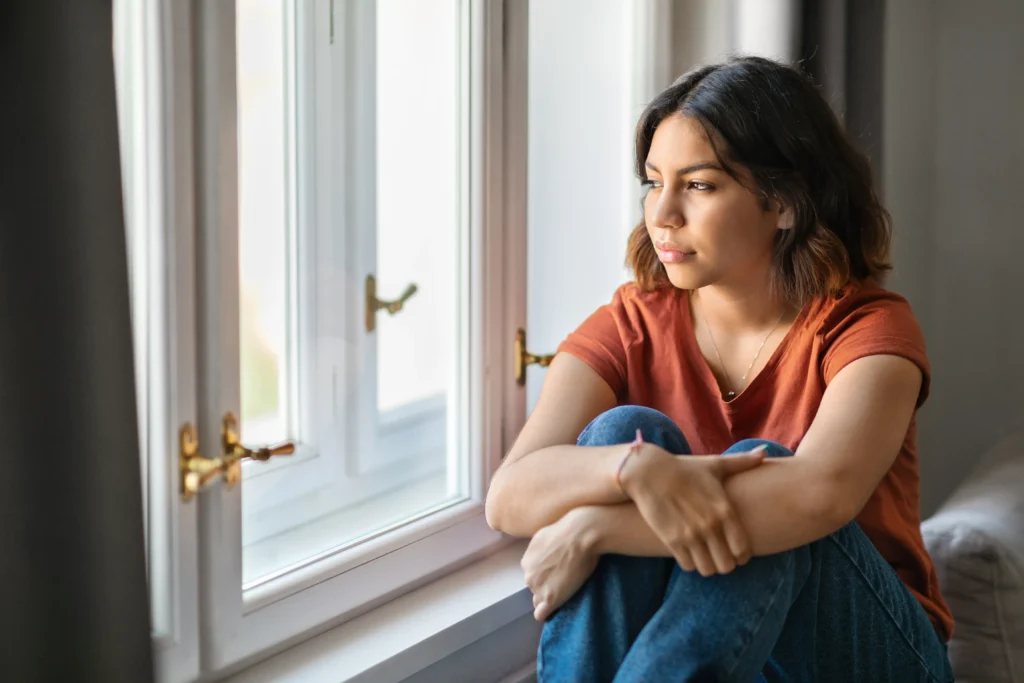
A teenage girl sits by a window with her knees drawn in, looking out with a tense, worried expression, illustrating how domestic violence can affect children and teens.
GET HELP

Need Help Now?

Healing is possible. And your child is not broken. We can help you know what to look for, how they might be affected, and how to support their healing.

If you feel unsafe now and need help for yourself, your family, or someone else in a domestic crisis call:

  • 911
  • C4DP English/Spanish hotline (415) 924-6616
  • The National DV Hotline 1 (800) 799-7233
  • Children and Family Services (415) 473-2200
Physical effects

How Stress Shows Up in Growing Bodies

Abuse at home puts stress on a child’s developing body. You might notice changes in sleep, appetite, or general health—especially during or after conflict.

Infants/Toddlers

Poor feeding, trouble sleeping, failure to thrive, frequent illness or crying

Preschoolers

Bedwetting, frequent nightmares, difficulty calming down, physical complaints without cause

School Age

Headaches, stomachaches, disrupted sleep, unexplained aches and pains

Adolescents

Fatigue, frequent illness, substance use, changes in hygiene, eating disorders
EMOTIONAL EFFECTS

The Feelings Children Can’t Always Name

Living with fear or instability can overwhelm a child’s emotional world at a time when they may not have the words to name their feelings—or even understand them. Many children internalize the fear, shame, or guilt they may be feeling.

Infants/Toddlers

Inconsolable crying, extreme separation anxiety, flinching or fear reactions

Preschoolers

Intense worry, sadness, new fears, panic or PTSD symptoms

School Age

Guilt, low self-esteem, depression, shame, emotional outbursts

Adolescents

Anxiety, depression, hopelessness, suicidal thoughts, emotional numbness
Behavioral effects

What Their Behaviors Might Be Saying

When children can’t process what’s happening around them, changes in behavior—including acting out or shutting down—may be the only signal that something’s wrong. Domestic violence can affect how children behave toward caregivers, peers, and themselves.

Infants/Toddlers

Irritability, fussiness, difficulty being soothed

Preschoolers

Tantrums, aggression, sudden regression (e.g., thumb-sucking, clinginess)

School Age

Defiance, rule-breaking, withdrawal, difficulty concentrating

Adolescents

Skipping school, running away, fighting, risky behavior, substance use
SOCIAL EFFECTS

How Abuse Shapes Trust and Relationships

Abuse in the home can impact how children connect with others and navigate the world. They may struggle to trust, build healthy relationships, or feel safe in group settings. These challenges can follow them into school and beyond.

Infants/Toddlers

Difficulty bonding with caregivers, biting, hitting, avoidant behaviors

Preschoolers

Trouble connecting with peers, fear of separation, push-pull relationships

School Age

Isolation, fewer friendships, social withdrawal, bullying or being bullied

Adolescents

Toxic or abusive relationships, controlling behavior, distrust, fear of vulnerability

Supporting Your Child During and After Crisis

You’re doing the best you can—and that matters. Every time you create safety, consistency, and care, you’re helping your child heal.

Here are some ways you can support your child:

  • Let them talk—or not. Be available and listen without pressure.
  • Keep routines when you can. Simple things like meals, school, or bedtime stories can provide comfort.
  • Encourage safe relationships. to supportive adults like teachers, counselors, 
or family.
  • Talk about what healthy relationships look like. Even a little can go a long way.
  • Get help for yourself. Your healing helps theirs. And you’re not alone.
 

SAFETY FIRST

Press the ESC button on your keyboard to leave our site.

Your safety and privacy matters.

Browse in incognito mode to hide your visit → Learn How
Clear your browsing history after visiting → Learn How