Naming the Moment and Strengthening Prevention
By Tara Peterson, Executive Director, Center for Domestic Peace
In recent months—and increasingly in the news—we have witnessed devastating losses to domestic violence that are impossible to ignore. These moments are deeply unsettling, not only because of the lives lost, but because they reflect patterns that advocates and survivors have long understood and too often warned about.
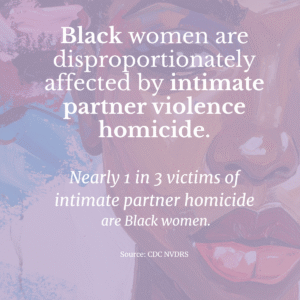
Nationally and locally, Black women are experiencing higher rates of intimate partner violence homicide. This is not accidental, nor is it the result of individual choices alone. It reflects the intersecting impacts of racism, gender‑based violence, and persistent barriers to protection and support—shaping who is believed, who receives intervention, and who faces the greatest risk when violence escalates. These realities are not new, but the consequences are becoming more visible, more public, and more lethal.
At the Center for Domestic Peace, we believe it is essential to hold this complexity honestly—to name what is happening without sensationalizing it, and to remain focused on what can be done to change outcomes.
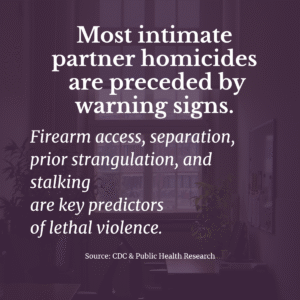
That belief guides why we are deeply honored to share that we were recently awarded funding to partner with the Marin County District Attorney’s Office to expand Gun Violence Restraining Order (GVRO) trainings. These trainings are designed for professionals who are often the first to notice warning signs—advocates, service providers, and community partners—equipping them with tools to intervene before violence reaches its most dangerous point.
This work represents prevention in its most tangible form. It is about reducing access to firearms during periods of heightened risk. It is about listening closely to survivors and recognizing escalation when it appears. And it is about addressing the inequities that place Black women and other marginalized communities at disproportionate risk of lethal harm.
As an organization, we hold grief for the lives lost and care deeply for those who are hurting—survivors, children, families, and entire communities affected by violence. At the same time, we recommit ourselves to strengthening systems that prioritize safety, dignity, and justice, not only in moments of crisis, but long before they occur.
If the current news cycle is weighing heavily on you, please know that you are not alone. Support is available.
Center for Domestic Peace offers confidential help through our 24‑hour hotline at (415) 924‑6616, available day and night. You can also learn more about our services at www.c4dp.org.
With care and determination,
Tara Peterson
Executive Director
Center for Domestic Peace